Untangling Bonus Trigger Networks and Their Influence on Return Calculations in Mobile Slot Platforms
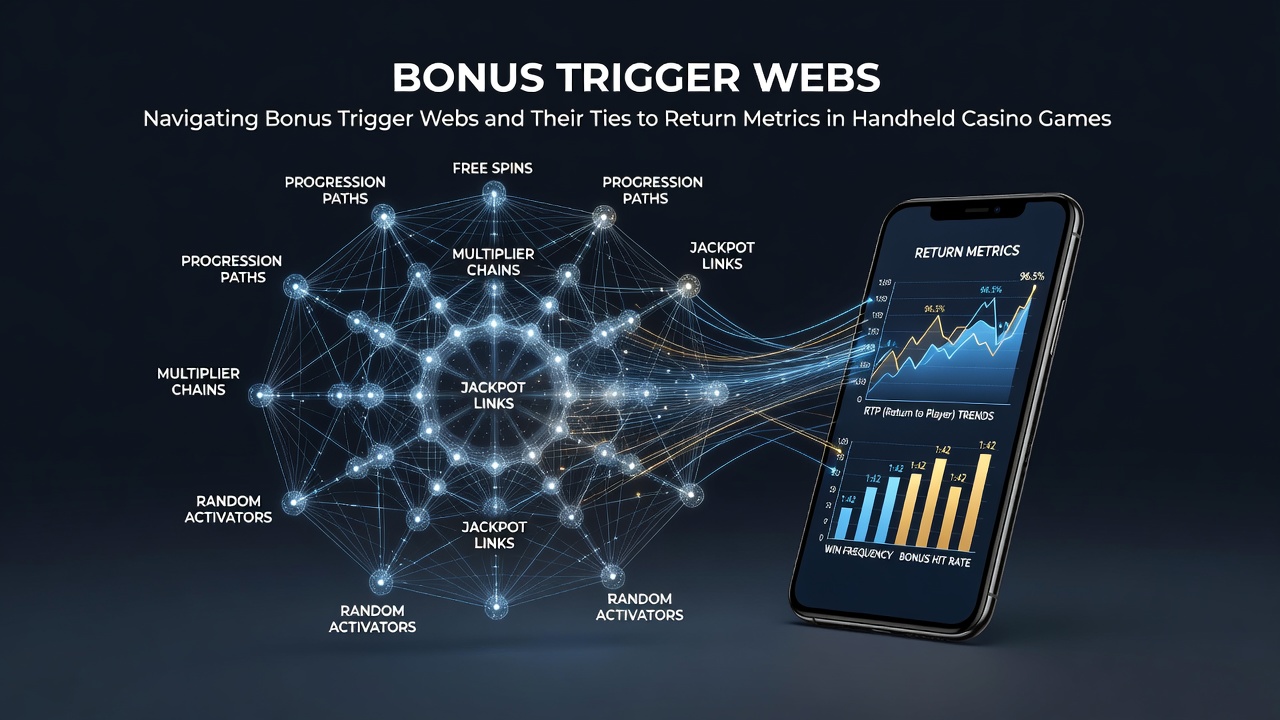
Bonus structures in handheld casino applications often form elaborate networks where multiple activation conditions intersect, and researchers have documented how these networks connect directly to overall return percentages across thousands of game sessions. Data from regulatory filings shows that trigger combinations such as symbol alignments, scatter counts, and progressive meters determine not only immediate payouts but also the long-term mathematical return embedded in each title's design.
Core Components of Bonus Activation Pathways
Handheld platforms present bonus pathways through layered reel interactions that players encounter during standard spins, while observers note that each pathway carries a specific probability weight that feeds into the game's certified return metric. Studies indicate that games released in early 2026 incorporated additional trigger layers compared with previous years, resulting in denser webs where one activation frequently unlocks secondary conditions like respins or symbol upgrades. These mechanics operate under fixed probability tables that operators must submit during certification processes, and figures reveal consistent patterns across multiple jurisdictions.
Probability Mapping and Return Integration
Return percentages in mobile slots account for every possible bonus path through comprehensive simulation runs that test millions of spins, adn analysts at institutions such as the University of Nevada, Reno have published findings on how trigger frequency directly modulates the final RTP value reported to regulators. When a bonus web includes cascading elements or multiplier ladders, the cumulative effect on expected return becomes measurable through statistical aggregation rather than isolated feature analysis. Developers adjust base game hit rates to balance these additions, ensuring the overall metric remains within approved ranges while delivering varied session lengths.
Regional Data Patterns Emerging in Mid-2026
Reports compiled through July 2026 from North American and Australian oversight bodies highlight shifts in how bonus density correlates with player retention metrics, whereas earlier datasets showed simpler trigger designs producing steadier but lower engagement curves. One analysis from the Nevada Gaming Control Board examined over 200 mobile titles and found that games featuring multi-stage bonus webs maintained higher average session durations without altering the underlying return percentage beyond a 0.3 percent variance band. This pattern holds across different volatility profiles, suggesting the structure of the trigger network itself influences time-on-device independently of the headline RTP figure.
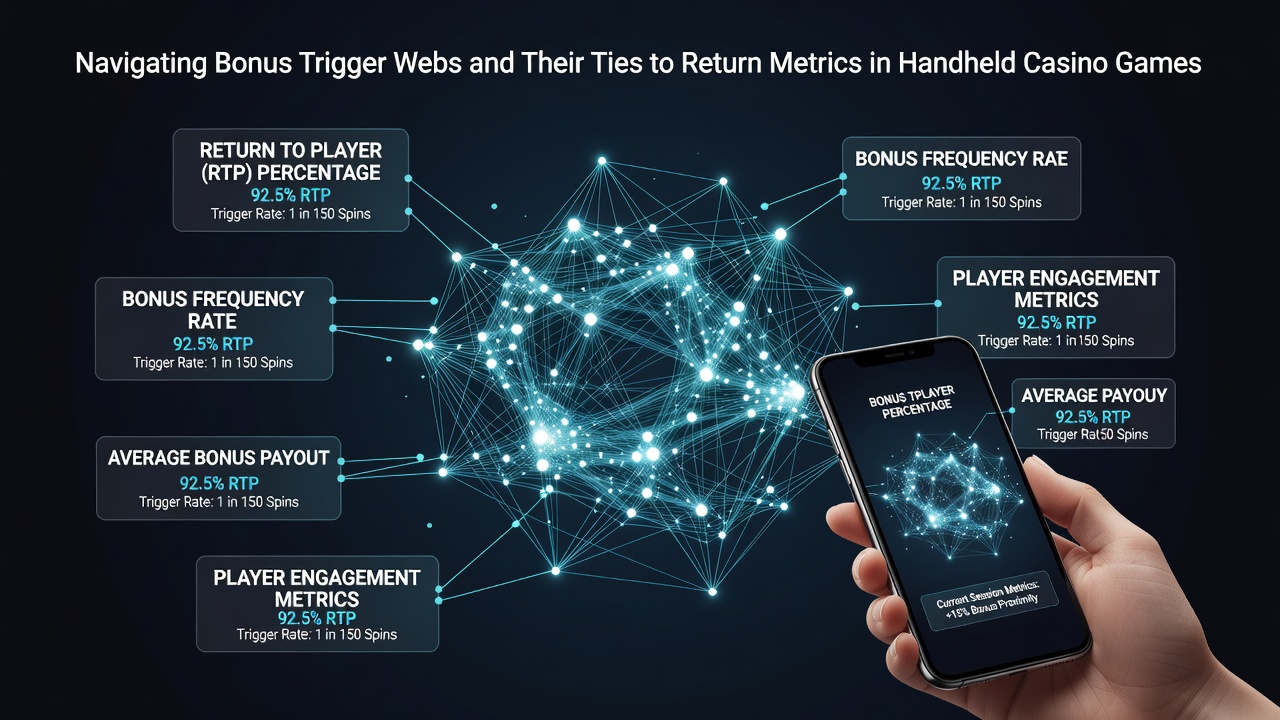
Yet handheld interfaces introduce additional variables through touch-responsive elements and abbreviated animation sequences that can affect how quickly players cycle through bonus pathways compared with desktop versions. Testing protocols used by certification labs now incorporate device-specific simulations to verify that return metrics remain stable regardless of platform, and data indicates no statistically significant deviation in outcomes between handheld and larger screen formats when the same random number generator governs play.
Case Examples from Certified Mobile Titles
Take one series of cluster-pay games where bonus triggers activate through adjacent symbol groups rather than traditional paylines, and those who've reviewed certification documents note that each cluster size carries a distinct contribution to the aggregate return. In several documented instances, the inclusion of a secondary free-spin layer triggered only after three consecutive cluster wins adjusted the overall RTP allocation by reallocating a portion of the base game return into the bonus phase. Such reallocations appear in public filings and allow operators to present consistent headline percentages while varying the experiential flow players encounter during extended sessions.
Another pattern appears in games that embed progressive bonus meters within the main reels, where meter advancement itself functions as a hidden trigger web that connects daily play volume to eventual activation chances. Research indicates these meters contribute measurable portions of the total return, often between 8 and 15 percent depending on the title's configuration, and players who monitor meter states across multiple sessions encounter different effective return trajectories than those who play sporadically.
Implications for Platform Design and Certification
Certification requirements in multiple regions now mandate disclosure of bonus pathway probabilities alongside the headline return metric, which has prompted developers to publish supplementary technical documents detailing trigger frequencies. Those documents enable independent verification that the interconnected bonus systems produce the stated return over large sample sizes, and regulators in Australia and several Canadian provinces have adopted similar transparency measures. The result is a clearer mapping between the visible bonus web and the mathematical foundation that determines long-term player outcomes across handheld devices.
Conclusion
Bonus trigger networks in mobile casino games remain tightly coupled to return metrics through probability tables and simulation-validated designs, and ongoing data releases through 2026 continue to illustrate how these interconnections shape both short-term session dynamics and certified payout percentages. Observers tracking regulatory filings across jurisdictions see consistent emphasis on transparent pathway documentation, which supports verification that each layer within the web contributes accurately to the overall return figure reported to players and oversight bodies alike.