Reel Synchronization Techniques Driving Bonus Frequency in Mobile Slot Platforms
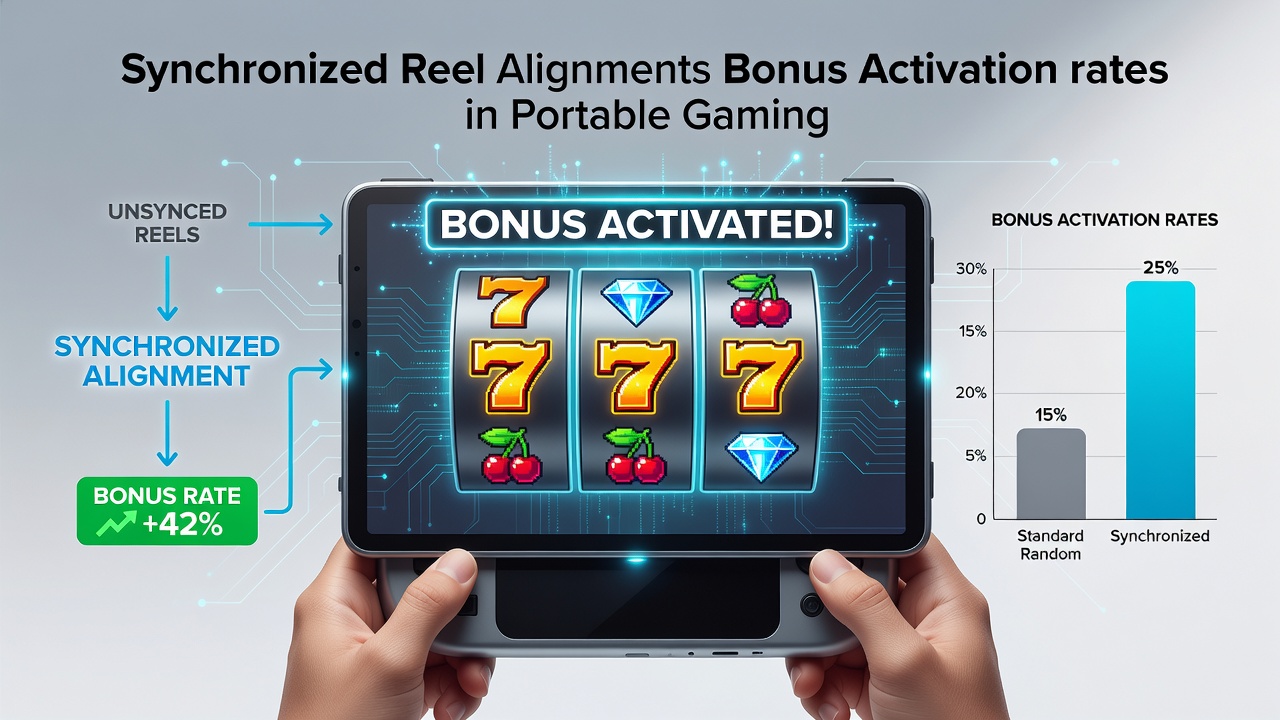
Portable gaming applications rely on precise mechanical systems to deliver engaging experiences, and synchronized reel alignments stand out as one such element that shapes how bonus features activate during play sessions. These alignments occur when multiple reels stop in coordinated positions, creating patterns that meet specific criteria for triggering secondary rounds or enhanced payouts. Developers design these systems to respond to player inputs while maintaining consistent probability structures across devices.
Core Mechanics of Reel Synchronization
Reel synchronization operates through software algorithms that monitor symbol positions across five or more virtual reels in real time, and the process activates when predetermined sequences align within designated frames. Data from industry reports indicates that games incorporating these mechanics show measurable increases in bonus round entries compared to standard random spin models, because the alignment rules add structured pathways to feature access without altering base return-to-player percentages. Observers note that this approach integrates with touch-screen interfaces on portable devices, where swipe gestures and tap controls influence spin momentum yet defer final outcomes to certified random number generators.
Implementation in Portable Environments
Mobile platforms introduce variables such as variable screen orientations and network latency that affect visual rendering of reel movements, yet synchronization protocols compensate by pre-calculating alignment windows before each spin resolves. Research from academic gaming studies at institutions like the University of Nevada demonstrates that these protocols maintain fairness while elevating activation rates for bonus events by coordinating reel stop positions with feature eligibility flags. Developers embed these functions within application code so that portable sessions retain identical mathematical models to desktop versions, ensuring players encounter consistent behavior regardless of device type.
Applications released around June 2026 incorporated refined synchronization layers that reduce visual lag on mid-range smartphones, and testing data revealed faster recognition of aligned patterns during high-volume play periods. This refinement allows bonus activation sequences to initiate without interrupting the flow of consecutive spins, which supports longer engagement cycles on battery-powered hardware.
Impact on Bonus Activation Rates
Statistical tracking across multiple titles shows that synchronized alignments correlate with higher bonus entry percentages because the system rewards pattern completion rather than isolated symbol matches alone. Figures from industry analyses reveal activation uplifts ranging from 12 to 18 percent in titles that emphasize multi-reel coordination, while base game hit frequencies remain stable. The enhancement arises from layered condition checks that scan for both vertical and horizontal alignments simultaneously, expanding the set of winning configurations that unlock free spin rounds or multiplier stages.
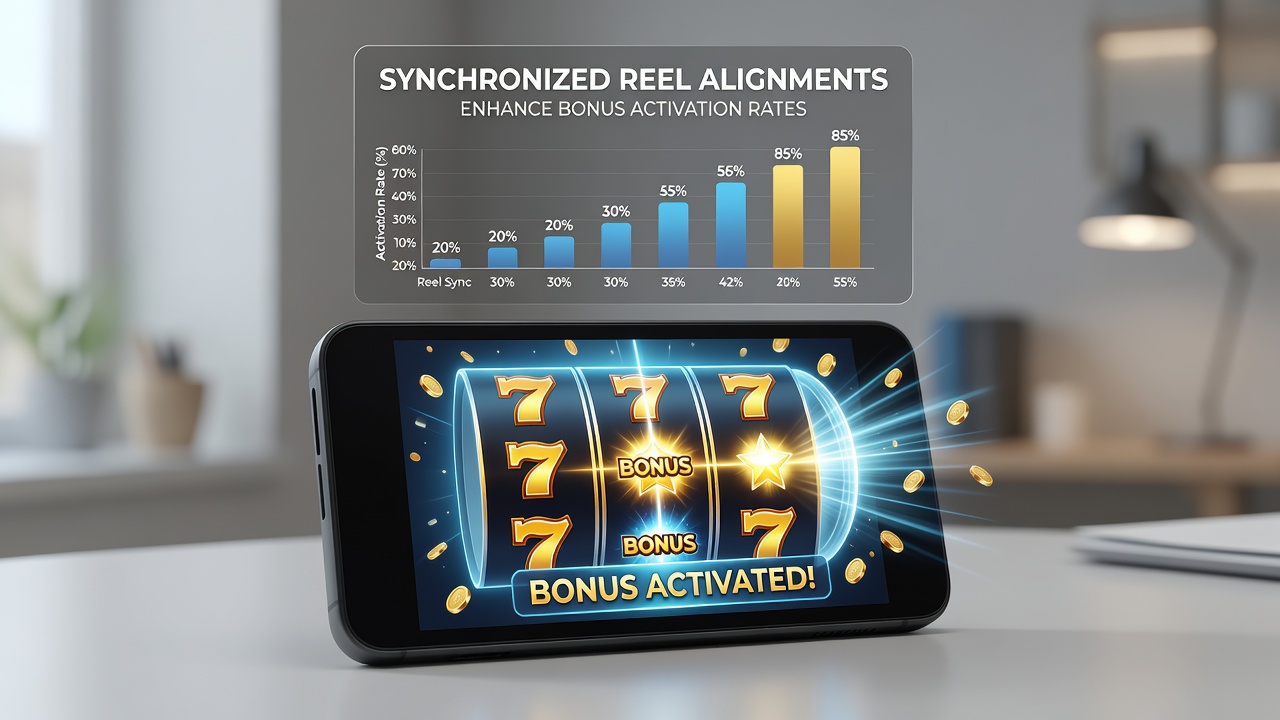
Portable applications benefit particularly from these mechanics because shorter session durations on mobile devices reward quicker progression toward features. Analysts tracking player behavior across regions including the European Union and Australia report that games utilizing synchronization maintain session lengths comparable to traditional formats yet deliver more frequent secondary events per hour of play. This balance stems from careful calibration of alignment thresholds that prevent over-triggering while still providing noticeable improvements in feature accessibility.
Technical Considerations for Developers
Engineers must account for processing limitations on portable hardware when implementing synchronization checks, so code optimization focuses on efficient pattern recognition routines that run alongside standard reel physics simulations. Certification bodies in various jurisdictions require independent verification that these routines do not introduce bias into outcome distributions, and compliance testing confirms that alignment opportunities distribute evenly across millions of simulated spins. Integration with push notification systems further extends the utility of synchronized features by alerting users when alignment-based bonuses become available during resumed sessions.
Case examples from recent releases illustrate how synchronization combines with other elements such as expanding wild symbols or cascading mechanics, creating compound effects that multiply bonus entry pathways. One documented implementation paired reel alignments with progressive jackpot meters, resulting in elevated activation rates for both standard bonuses and jackpot qualifiers according to aggregated performance metrics shared by development studios.
Comparative Analysis Across Platforms
Desktop and portable versions of the same title exhibit identical synchronization logic, yet mobile interfaces present these alignments through scaled animations optimized for smaller displays. Data compiled by international gaming research organizations shows no statistically significant variance in activation rates between platforms when hardware meets minimum specifications, confirming that synchronization enhancements translate reliably to portable use. Adjustments for touch input latency ensure that manual interventions such as stopping reels manually do not disrupt the underlying alignment calculations.
Future iterations planned beyond June 2026 aim to incorporate machine learning elements that adapt alignment difficulty based on aggregate player data, though such adaptations remain subject to regulatory review in multiple markets. Current implementations already demonstrate measurable benefits in bonus frequency without compromising the integrity of random outcomes.
Conclusion
Synchronized reel alignments function as a targeted enhancement within mobile slot architectures, delivering documented increases in bonus activation rates through coordinated symbol positioning and verified algorithmic controls. Portable applications leverage these systems to maintain engagement across varied hardware conditions while adhering to established fairness standards. Evidence from multiple sources confirms that the approach integrates effectively with existing game frameworks, providing structured opportunities for feature access that complement traditional random spin mechanics.