Charting the Progression of Special Round Sequences in Reel Based Games Designed for On the Go Access
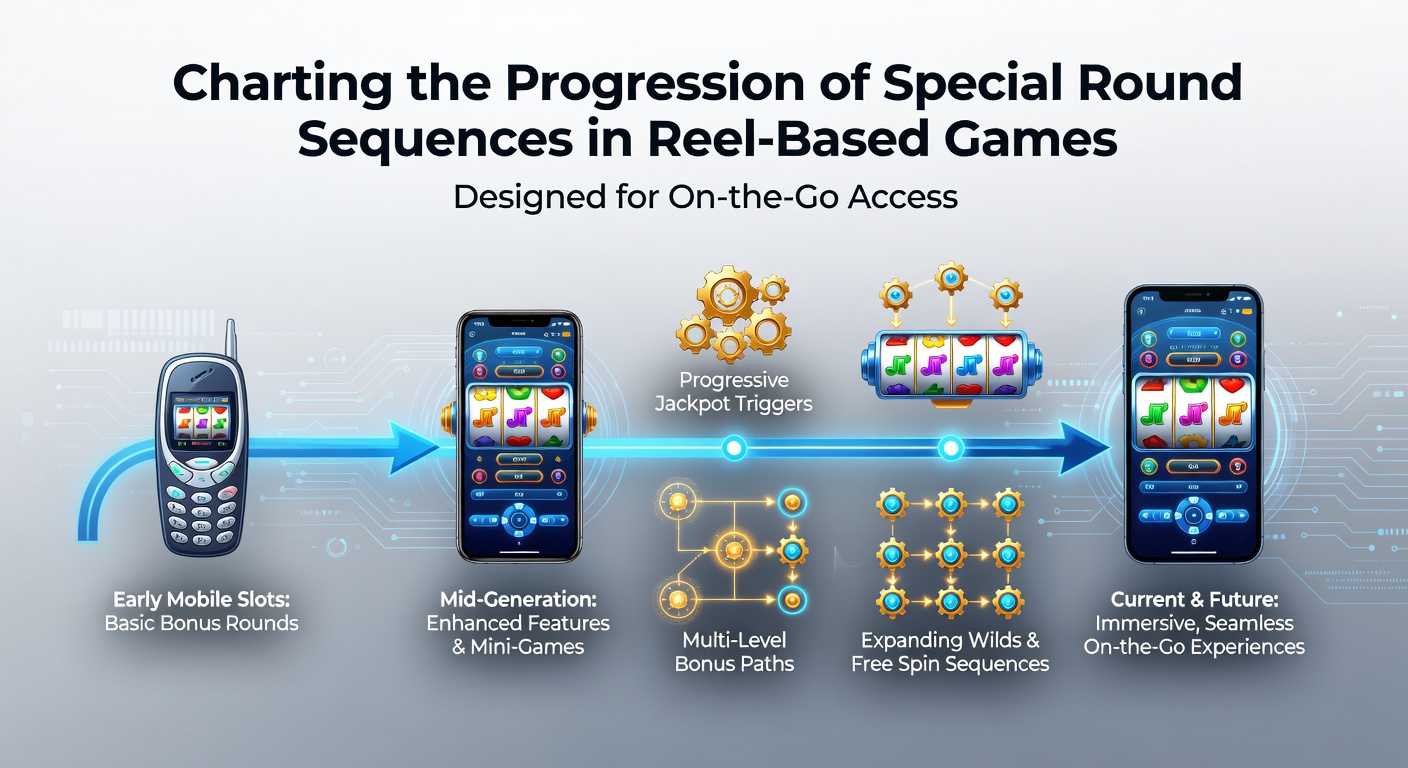
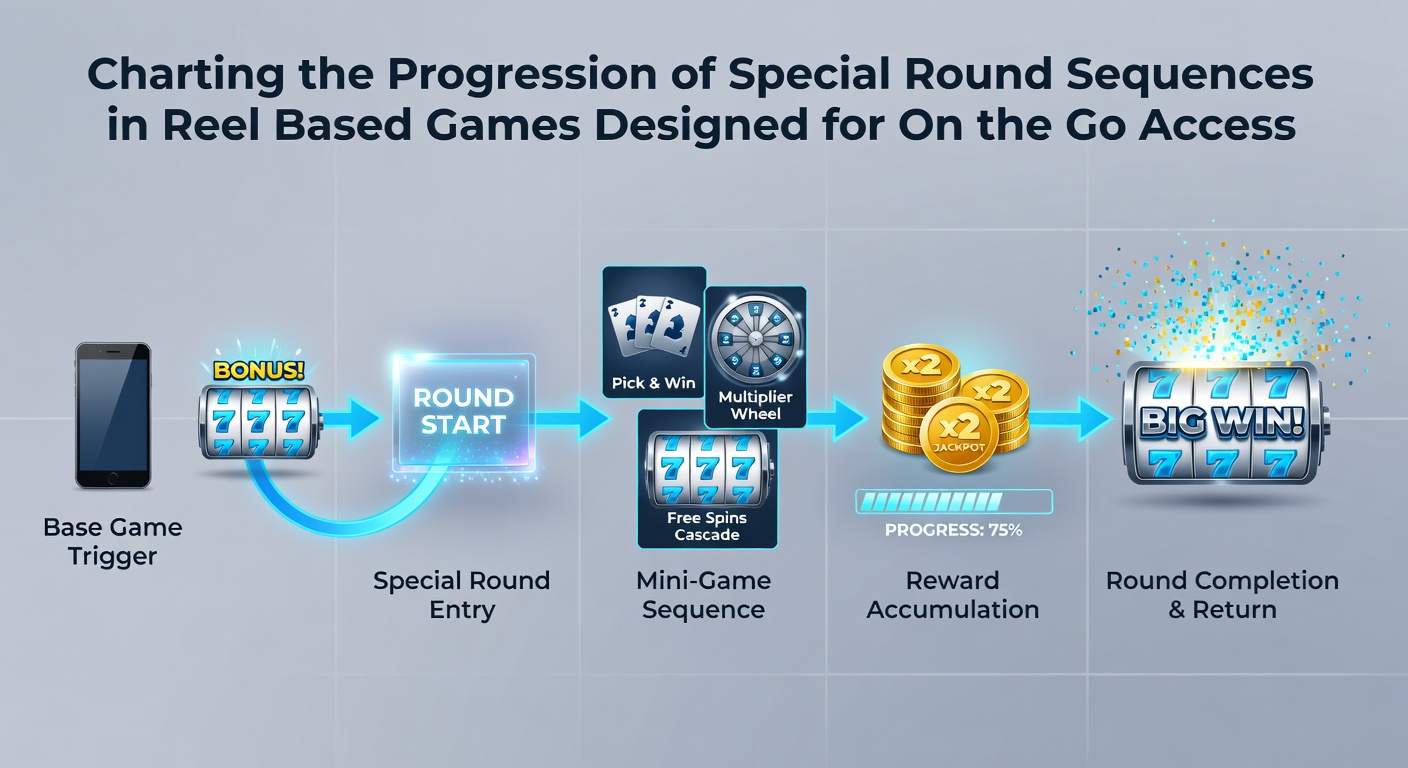
Reel based games have long incorporated special round sequences that extend core gameplay into layered bonus structures, and developers have refined these elements specifically for mobile platforms where players access content during brief windows of time. Special rounds typically include free spin cycles, pick and win segments, and progressive meter builds that activate after set symbol alignments on the reels. Data from industry tracking services shows that these sequences now account for a growing share of total session engagement in on the go formats, with mobile users completing more than 60 percent of their play time inside bonus states rather than base reels.
Early Development of Round Sequences
Initial reel games introduced bonus rounds as simple extensions triggered by three or more scatter symbols, yet mobile constraints soon demanded tighter pacing and clearer visual feedback. Designers shortened trigger thresholds while preserving payout potential, and touch responsive interfaces replaced traditional click mechanics so that sequences could advance with single taps. Observers note that by 2021, several major studios had standardized auto play options within rounds to accommodate commuters who prefer minimal interaction during short trips.
Sequence progression often follows a tiered model where early stages deliver modest multipliers and later stages unlock stacked wilds or expanding reels. Research indicates that players who reach the third tier in a given round experience payout increases averaging 2.8 times the base bet according to aggregated session logs published by independent testing laboratories. These patterns emerged as studios analyzed mobile telemetry showing that users rarely complete lengthy base game cycles before switching apps.
Adaptation for Mobile Access Patterns
Modern implementations embed progress indicators directly into the reel frame so that users can track remaining spins or meter levels without opening separate menus. Developers integrated haptic feedback during key transitions, such as when a round upgrades from level one to level two, allowing players to sense changes through vibration patterns even when audio is muted. Figures from European gaming analytics platforms reveal that titles featuring such tactile cues retain users for 22 percent longer sessions on average compared with non haptic equivalents.
As of May 2026, regulatory filings from the Malta Gaming Authority document continued growth in mobile exclusive round variants that adjust reel height dynamically based on device orientation. Portrait mode sequences tend to favor vertical cascade mechanics while landscape versions expand horizontal reel sets to deliver additional symbol positions. Both formats maintain consistent return to player percentages across orientations, ensuring fairness regardless of how the device is held.
Technical Sequencing and Player Flow
Sequence logic now relies on server side random number generators that pre calculate potential outcomes before a round begins, reducing latency during transitions on variable network connections. This approach prevents mid round pauses that previously disrupted engagement for users on trains or in areas with fluctuating signal strength. Developers further streamlined symbol animations so that each special round stage resolves within four to six seconds, matching typical attention spans observed in mobile analytics reports.
Multi stage rounds frequently layer additional modifiers such as sticky symbols or reel respins that carry over between stages, creating cumulative effects that build across the full sequence. One study released by the Canadian Centre for Gaming Research tracked over 1.4 million mobile sessions and found that games employing carry over modifiers produced higher completion rates for final stage rounds than those resetting all elements after each spin.
Future Directions in Sequence Design
Industry reports project continued refinement of adaptive sequences that respond to individual play history, adjusting trigger frequency or stage difficulty based on prior session data while remaining within certified random parameters. Such personalization occurs within strict compliance frameworks established by multiple jurisdictions, including oversight from Australian and North American regulators. The ball remains in the developers court to balance these innovations with transparent disclosure of how sequences operate across different devices.
Conclusion
Special round sequences in reel based games continue evolving to match the fragmented access patterns of mobile users, incorporating faster pacing, clearer progress tracking, and device specific optimizations. Data collected through 2026 confirms that these adjustments sustain engagement without compromising certified outcomes, and ongoing technical advances suggest further refinements in responsive design will appear in upcoming releases.